She Still Sets the Table: Why Family Dinner Meant So Much
Plates out by six, everyone in their chair, the same seats every night. Why the family dinner table of the 70s and 80s held so much more than food.
Published
The Short Answer
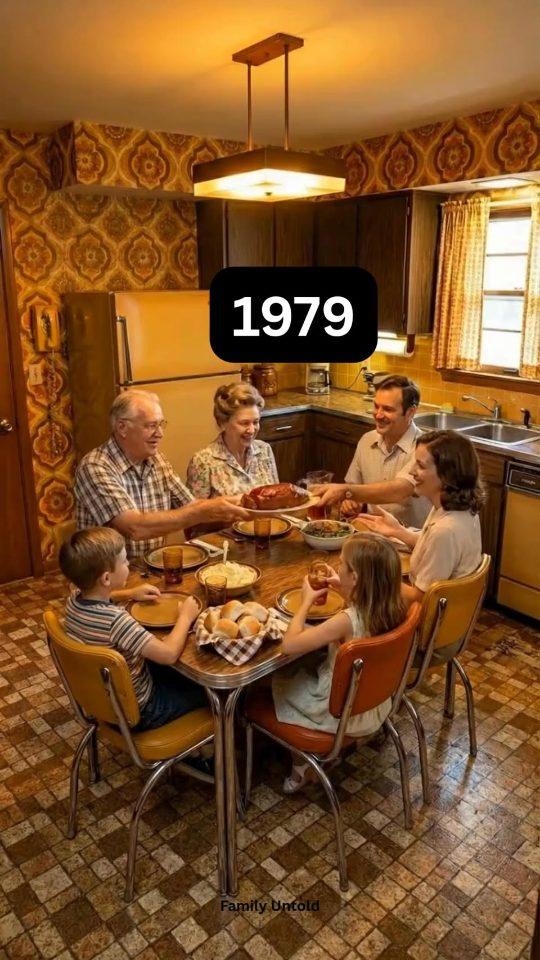
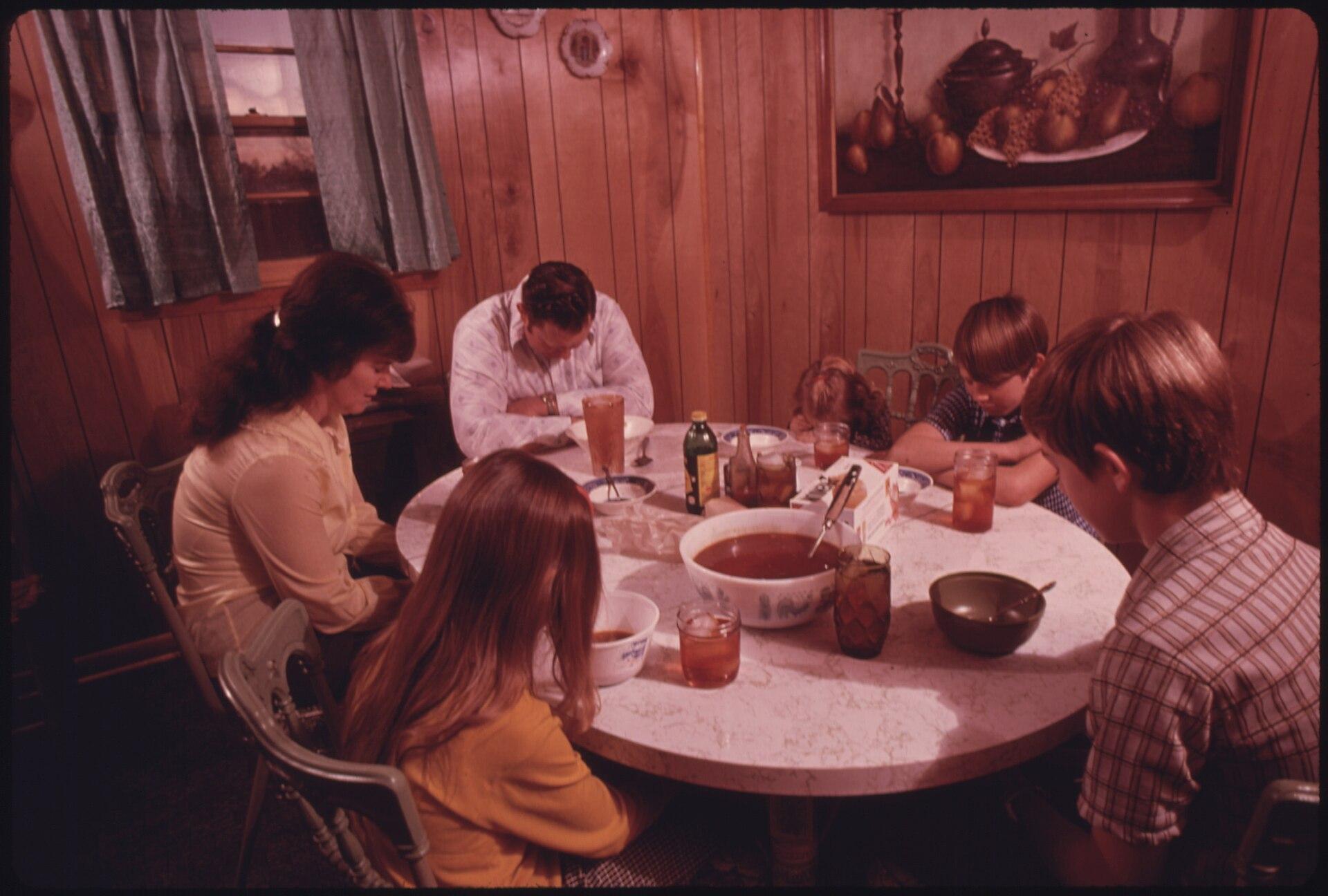
For most families in the 1970s and 80s, dinner was the one hour of the day when everyone was in the same room. It happened at the same time, at the same table, in the same seats, and nobody got up until they were excused. That routine is why so many of us remember the table even better than the meals.
Six O'Clock Meant Six O'Clock
Dinner wasn't a suggestion. In a lot of houses it was at the same time every night, and you could set a watch by it. You heard your name called from the back door, you washed your hands, and you sat down.
Nobody asked what time dinner was. Everybody already knew.
Everyone Had a Chair
Think about your family's table for a second. You probably still know exactly where everyone sat.
Dad at the end. Mom closest to the stove, so she could get up for the salt, the extra rolls, the milk somebody forgot. The youngest next to whoever was in charge of cutting their meat. And you, in your chair, looking at the same kitchen wall every night for years.
Those seats were never assigned out loud. They just were. And when grown children come home for a holiday today, many of them still drift to that same chair without thinking.
Setting the Table Was a Job
Before anyone ate, somebody had to set the table, and it was usually one of the kids. Fork on the left. Knife and spoon on the right. Napkin folded under the fork. A glass above every plate.
It felt like a chore back then. Looking back, it was one of the first ways a lot of us were trusted with something that mattered to the whole family.
The Table Was Where Things Got Talked About
There were no phones at the table. The phone hung on the kitchen wall, and if it rang during dinner, it rang. The TV was in the other room.
So people talked. About school, about work, about the neighbors, about who was going to mow the lawn on Saturday. Report cards came out at the dinner table. So did good news, and the kind of announcements that made everyone stop chewing.
Most of those conversations weren't important. But they happened every night, face to face, and over eighteen years that adds up to a childhood.
Sunday Dinner Was Its Own Thing
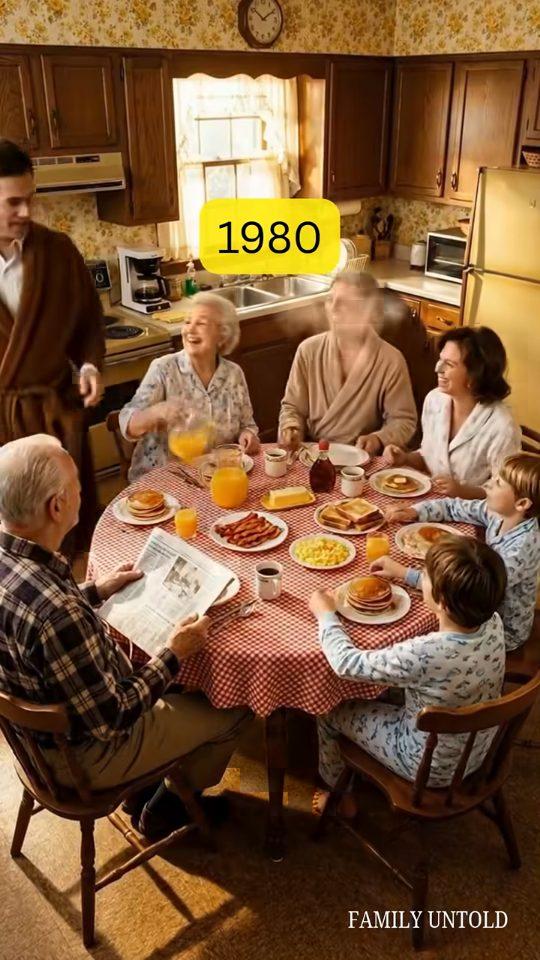
Sunday was different. The good dishes might come out. There was a roast, or a ham, or a chicken that had been in the oven since church let out. Grandparents came over, or you went to theirs.
Sunday dinner was long. The grown-ups lingered over coffee while the kids were let go to play, and somehow the kitchen was still full when the sun went down.
What Changed
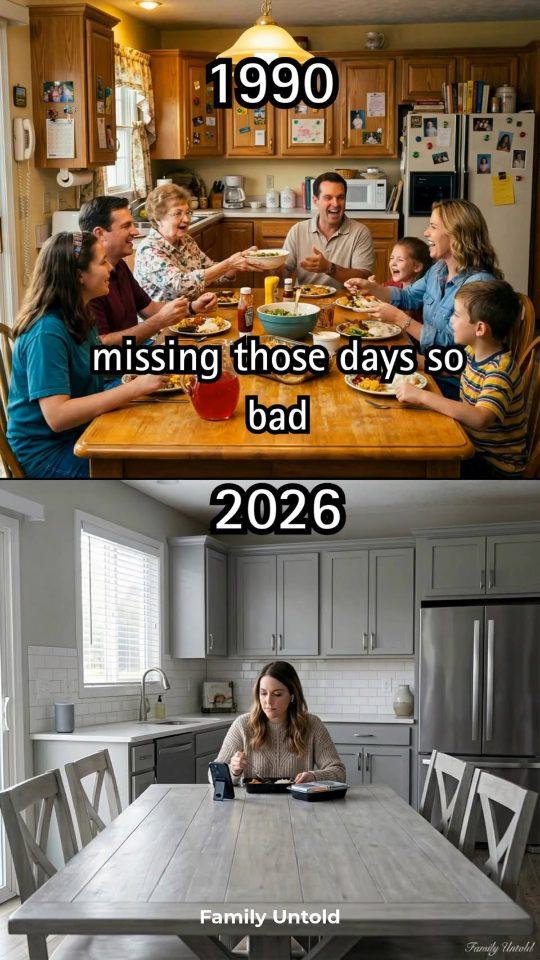
Nothing happened all at once. Microwave ovens became a normal part of the kitchen during the 1980s, so dinner could be warmed up for whoever got home late. More families had two working parents. Practices, games and lessons spread into the evening. The TV moved closer to the table, and years later the phones came right up to the plates.
The table is still there in most homes. It just doesn't get set the same way every night.
Why She Still Sets It
Ask around and you'll hear the same story in family after family: a mother or grandmother who still puts out the plates when everyone comes over, the same way she always did. Same tablecloth. Same serving bowls. Same seats.
It isn't really about the food. Setting the table is how she says everyone has a place here, and that their place is still waiting.
If you have a table like that to go back to, pull out your old chair next time. Somebody set it for you.
Did this bring back a memory? Share it with your family.